






Why gas cylinder price hike in India?
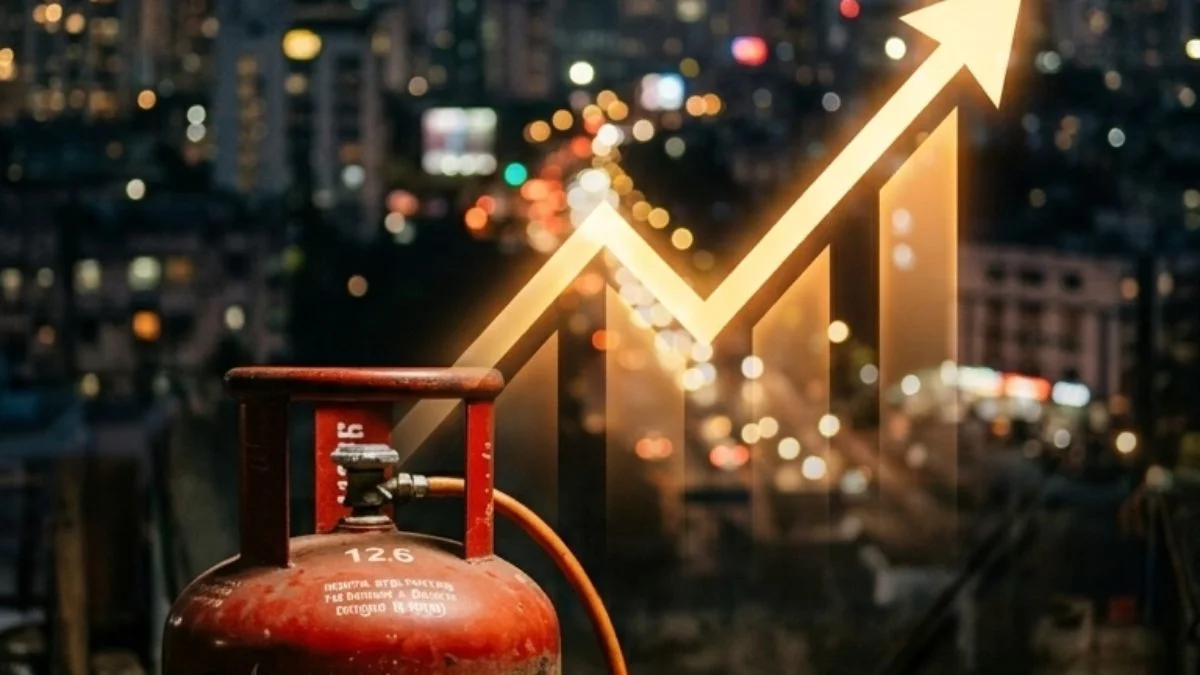
The factors driving the gas cylinder price hike in India are four key structural factors:
- Increasing global crude oil prices
- Heavy reliance on LPG imports in India
- Depreciation of Indian rupee against US Dollar ($)
- Eliminating and focusing government subsidies
In 2026 there is another crucial factor that has added to the situation:
- Geopolitical conflict in West Asia affecting routes for supply of LPG, particularly by the Strait of Hormuz
This combination has led to a twin crisis of both shrinking supply and rising prices, for both households and businesses, as well as for inflation.
From Household Burden to Economic Signal
The recent gas cylinder price increase is no longer a routine month on month modification,it is a systemic move in the India energy economics.
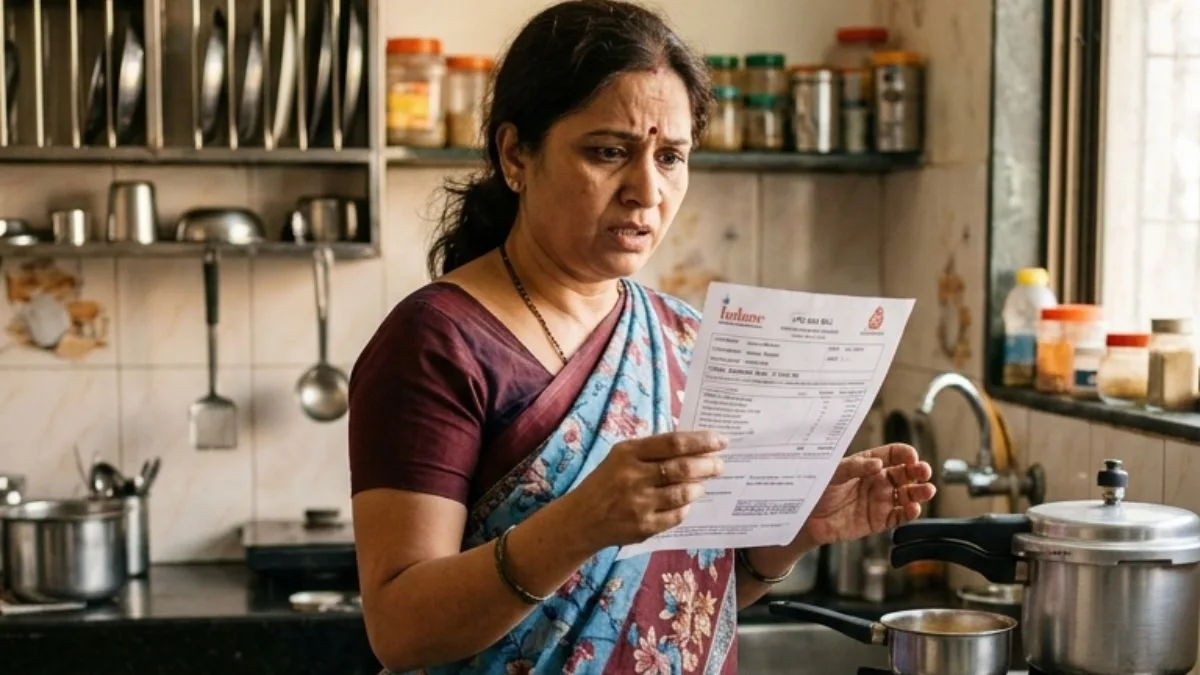
Not just to millions of Indian households, LPG is no choice. It is the main cooking fuel, particularly in the urban and semi-urban areas. For businesses such as restaurants and street vendors, or food processors, LPG is one of the key inputs into their operations.
India today has:
- Since more than 330 million LPG connections
- One of the biggest LPG consumption bases in the world
- A rapidly growing reliance on clean cooking fuel
What makes the 2026 situation so worrying is not only the increase in price but rather the combination of three stress factors:
- Sharp price escalation
- Physical supply discontinuities
- Limited policy flexibility, due to cutbacks in subsidies
This force is bringing a concentration of the problem that goes from being an inconvenience to the consumer into a macroeconomic pressure point for inflation, patterns of consumption and business viability.
What Is Different in the Most Recent Gas Cylinder Price Hike?
Current Price Snapshot (2026)
- Domestic LPG: around ₹900–₹950 per cylinder in major cities
- Commercial LPG: ₹1,800+ (official), real market prices much higher
- Reports of delayed delivery and shortages locally
- Visible decrease in refill frequency of households
Trend Over the Last Two Years
Over the last 24 months the LPG prices have shown:
- High volatility not steady increase
- Regular help towards attaining global benchmarks
- Greater divergence of domestic and commercial pricing
This means that the pricing of LPG is no longer insulated, it is on the global roller coaster.
Understanding The Structural Divide: Domestic VS Commercial LPG
| Segment | Pricing Mechanism | Current Behavior |
| Domestic LPG | Partially regulated | Gradual increase |
| Commercial LPG | Fully market-linked | Highly volatile |
Key Insight
Commercial LPG is the real-time indicator of market stress, domestic is the lagged and dulled version of the same stresses.
Important Reasons For The Gas Cylinder Price Hike
Global Crude Oil Prices and the Linkage for LPG
LPG is not priced independently, it is a byproduct of crude oil refining. Therefore, any change in the price of crude oil all over the world has a direct impact on the price of LPG.
What is Happening Globally?
- Oil-producing countries have taken production cuts
- Rising geopolitical tensions are adding uncertainty to supply
- Market speculation causing prices to rise even before it is based on actual shortages
Impact on LPG
- Increased crude oil prices raise the price of refining
- LPG contract prices (according to global benchmarks) increase
- Import-dependent countries, such as India, are immediately subject to cost escalation
Deep Insight
Even anticipations of supply disruption can cause prices to rise, that is, prices can rise more quickly than actual shortages occur.
India’s Import Dependency: The Basic Structural Weakness
India imports more than half of its LPG needs.
Estimated Structure
- Total demand: ~26–28 million tonnes per year
- Domestic production: ~12–13 million tonnes
- Imports: ~14–15 million tonnes
Implications
- Domestic supply is unable to meet demand
- Change in world prices directly transmit to India
- Supply disruptions immediately lead to shortages
Critical Insight
As opposed to energy secure countries, India has little scope in buffering global shocks thereby making the pricing of LPG volatile by nature.
The Silent Cost Multiplier: Currency Depreciation
The price of LPG imports is in US dollars ($). Therefore, ₹–$ exchange rate plays an important role.
Mechanism
- Rupee gets weaker → Import cost increases
- Oil companies pass cost to consumers
Compound Effect
If:
- Global LPG price rises by 10%
- Rupee weakens by 5%
Then there is an actual domestic price impact of over 15–18%.
Insight
Currency devaluation is a force multiplier as it magnifies global price shocks.
Reduction in LPG Subsidies
India has moved from a universal subsidy scheme to targeted subsidy system.
Policy Shift
- Earlier: Broad-based subsidy
- Till now Limited: Economically weaker sections
Impact
- Middle-class households pay close to market
- Price increases are directly experienced by the consumers
Behavioral Impact
- Households delay replenishing cylinders
- Patterns of consumption change
- Education of Shift to Alternative Fuels in Some Areas
How War Affect LPG Price in India
How War Disrupts LPG Pricing
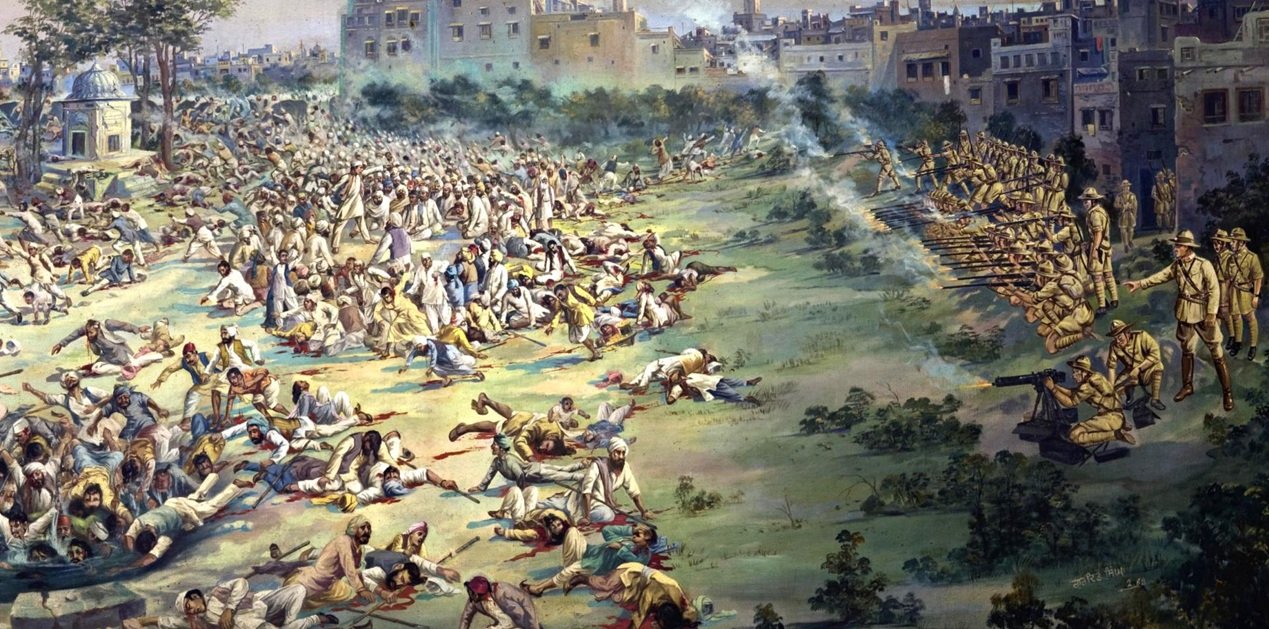
Conflict, geopolitical in nature, especially in West Asia, directly affects the supply chains of LPG.

Strait of Hormuz Disruption
- Major part of the LPG shipments around the world pass through this route
- Conflict raises risks to tankers movement
Impact on India:
- Shipment delays
- Reduced import volumes
- Increased freight charges
Increase in Shipping and Insurance Costs
During conflict periods:
- Shipping companies charge risk premiums
- Insurance costs increasing dramatically
- Alternative routes cause increased transportation time
These costs are directly added to the LPG pricing.
Supply Chain Breakdown
The war has triggered:
- Delivery delays
- Decreased market availability
- Panic buying behavior
This builds a shortage-type price spike, and not simply an increase in cost.
Absence of Strategic LPG Reserves
India lacks:
- Large scale LPG storage buffers
- Strategic Reserves Similar to Crude Oil
Insight
This makes the system highly reactive, in which disruptions even in the short term leaves the markets highly unstable.
Impact Analysis: Who Gets it the Most?
Household Impact
- Monthly cooking costs increase significantly
- Reduced LPG usage frequency
- The pressure on the middle-income families
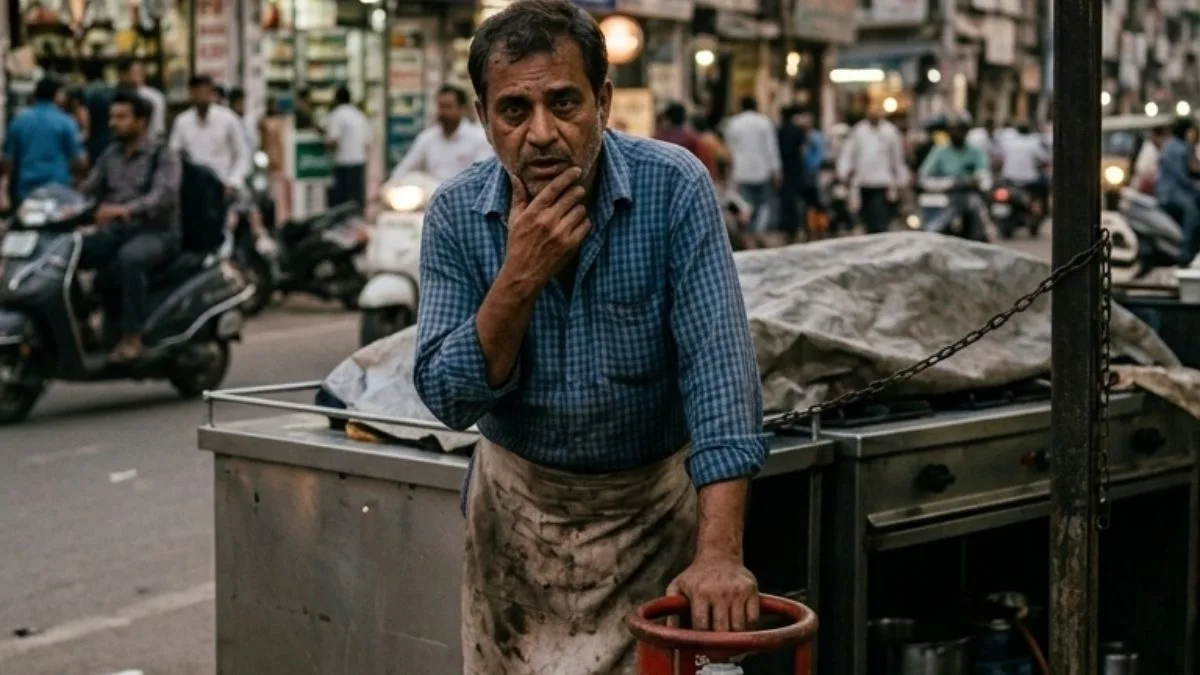
Restaurant Industry Crisis (In depth Analysis)
The restaurant industry is one of the hardest hit.
Operational Economics
- Fuel cost is 10–20% of costs
- Profit margins are normally 5–15%
Impact
- LPG price hike kills profitability
- Businesses can’t totally push costs onto customers
Extent of Disruption
- Restaurants that are small and are open at half capacity
- Temporary shut-outs increasing
- Informal sector gravely affected
Estimated Reality
In several regions:
- As many as 30–40% of small food businesses are either
- Temporarily shut
- Operating below capacity
Black Market and Distortion of Supply
- LPG Cylinder Selling at 2–3× official prices
- Businesses Forced to Procure at Inflated Rates
This is an indication of a severe supply-demand imbalance.
Fuel Switching: is a Signal for Regression
Restaurants and vendors are moving towards:
- Firewood
- Coal
- Electric alternatives
Insight
This is a reverse transition from clean energy as it has a long-term effect on environment and health.
Inflation Impact
The effects of LPG on inflation are indirect:
- Higher food prices
- Increased service costs
- Rising logistics expenses
Multiplier Effect
A simple increase in the price of LPG gets spread across:
- Food inflation
- Retail pricing
- Urban cost of living
Data & Insight Layer: What the Trends Say
Indicators of system stress
- Declining LPG consumption
- Increasing black market activity
- Increased fuels to be substituted
Interpretation
These are classic symptoms of an imbalance in the supply of energy from the developing economy.
Comparison with Previous occasions Crises
| Factor | Pandemic (2020) | LPG Crisis (2026) |
| Demand | Collapsed | Suppressed |
| Supply | Stable | Disrupted |
| Prices | Stable | Rising |
Insight
The 2026 situation is worse because it is a combination of:
- Supply disruption
- High prices
- Policy constraints
Policy & Economic Angle: Government Strategy
Why Prices (Not Fully) Controlled
Full blown control of prices would require:
- Massive subsidies
- Increased fiscal deficit
Trade-Off
| Policy Goal | Consequence |
| Lower deficit | Higher LPG prices |
| Consumer relief | Higher subsidy burden |
| Market efficiency | Price volatility |
Crisis Response Measures
- Priority supply to household
- Monitoring distribution
- Limited intervention in setting prices
What Happens Next? Future Outlook
Short-Term (0–6 Months)
- Continued volatility
- Supply uncertainty
Medium-Term (6–24 Months)
- Infrastructure expansion of PNG
- Gradual transition to alternative fuels
Long-Term
- Energy diversification
- Strategic development of storage
- Reduced import dependency
[ruby_related heading=”More Read” total=5 layout=1 offset=5]
Conclusion: A Structural Energy Challenge
The current gas cylinder price hike is not a periodic fluctuation,it represents:
- Global energy dependence
- Policy transition towards market pricing
- Structural vulnerabilities of supply
The addition of the geopolitical conflict has laid bare the weaknesses of India’s LPG ecosystem and transformed a pricing problem into a larger problem of economic and energy security.
Final Insight
Is gas cylinder price hike temporary or permanent?
The gas cylinder price hike is likely to remain a recurrent problem given India’s import dependence, global energy volatility and reduced subsidies. Without structural reforms, price flotations will persist.
What’s your take on the rising LPG prices?
Join the conversation with The Vue Times and share how it’s impacting you.
Your perspective matters.
FAQ Section
Why are LPG prices rising in India?
Due to the global crude oil prices, dependency on imports, rupee depreciation and the reduction in subsidies.
How does war impact LPG prices?
War causes supply routes to be disrupted, shipping costs soar and fuel supplies are decreased.
Why Are Restaurants Closing because of the Price of LPG?
High fuel prices and supply shortages make operations unprofitable.
Will the price of LPG come down in the Indian markets?
Prices could even stabilize if the global oil markets and supply chains return to normal.