





Introduction: A Violent Awakening from the Pacific Ring of Fire
Early in the morning hours of July 30, 2025, a section of the Pacific Rim gave the world a lesson about how random it can become when it comes to earthquakes. A monstrous 8.7 level earthquake occurred in the sea floor off the Kamchatka Peninsula that triggered tsunami waves rushing over some areas of eastern Russia and also northern Japan. The waves induced mass evacuation, regional tsunami warnings and coordination of emergency efforts world over. This has become one of the Pacific earthquake disturbances of the decade, and the main one in geopolitical preparation, tectonic studies, and disaster preparedness.
The Epicenter: Where the Earth Moved
According to the United States Geological Survey and the Japan Meteorological Agency, the earthquake is said to have started at around 03:45 AM JST and its epicenter was off the coastal regions of the Kamtchatka Peninsula, which is part of the Kuril-Kamchatka subduction zone where megathrust is frequently recorded.
- Magnitude: 8.7
- Depth: 20km (blurry, not really, but tends to speed up the tsunami)
- Locations: c. 51 o N, 157 o E
It belongs to the Pacific Ring of Fire, where more than 75 percent of the volcanic and seismic activities in the world occur. Past seismic activity in the area which included the 1952 Severo-Kurilsk Earthquake (9.0 magnitude) has been known to cause fatal tsunamis during which the height of the waves was above 15 meters.
Tsunami Alerts and Real-time Impact
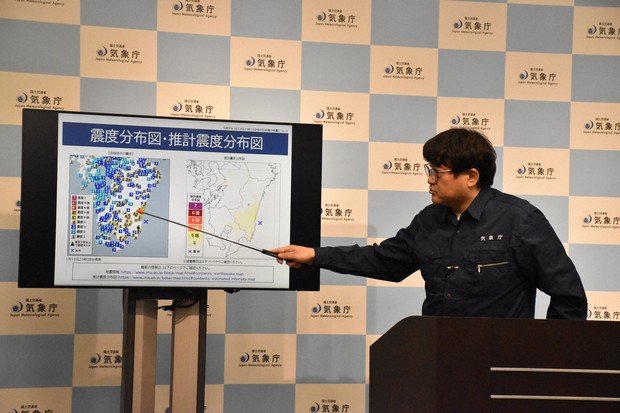
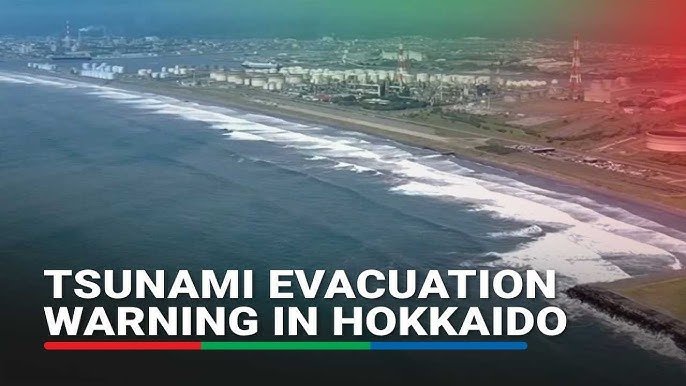
Japan: Waves Reach the Northern Coasts
Japan Meteorological Agency later prepared 133 municipalities of the Pacific coastline there is special attention to:
- Hokkaido
- Aomori Prefecture
- Iwate and Miyagi Prefectures
- Fukushima and Chiba
In the northern coast town of Ishinomaki, wave heights measured 1.2 meters in some areas of Hokkaido and 80 centimeters. Although these levels might be perceived as normal, governments warned of more powerful second and third waves, which in the past do more damage than the first attack.
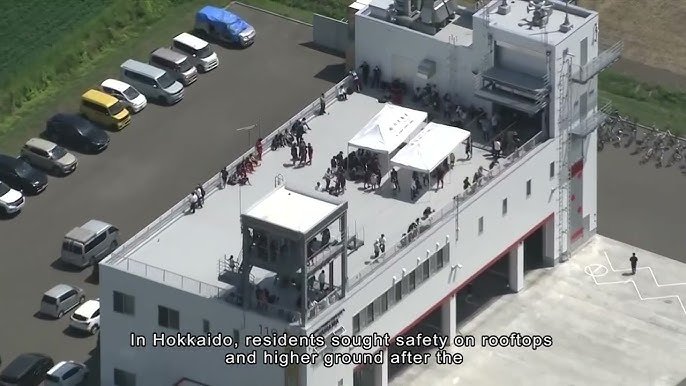
Nearly one million people, over 900,000 of them, were evacuated out of the danger threatened by the typhoon, particularly along the coasts, fishing villages and low lying townships. Tohoku Bugger train services were halted, and nuclear power stations including Fukushima Daiichi were in emergency safety conditions, but no wreckage was made.
Russia: Kuril islands evacuated
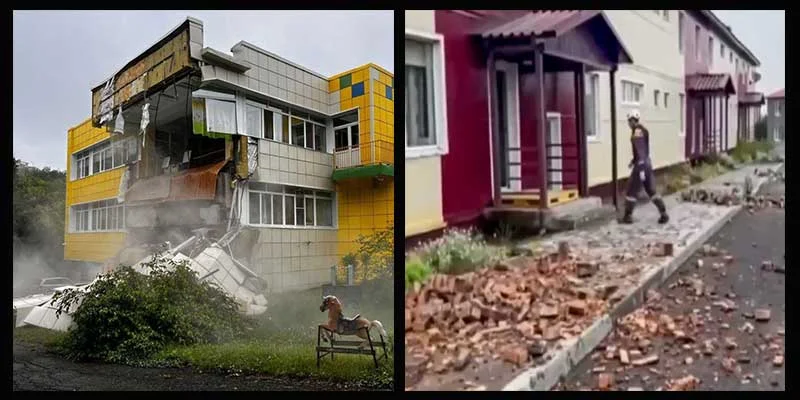
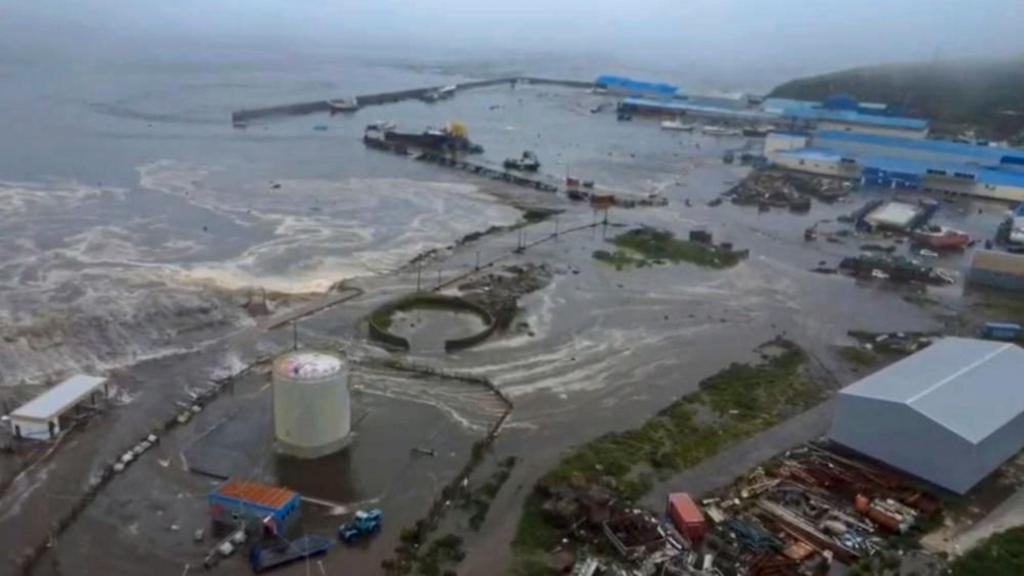
The tsunami docked at a location known as Severo-Kurilsk whereby local tsunamis of between 1.5 to 2 meters inundated ports. Evacuation in towns such as Yuzhno-Kurilsk was performed under compulsory evacuation by Russian civil authorities, whereas fishermen and other workers who worked on coastal areas were rescued. Cord damage was reported to small marine infrastructure, kindergartens, and supply depots, but no casualties are yet officially announced.
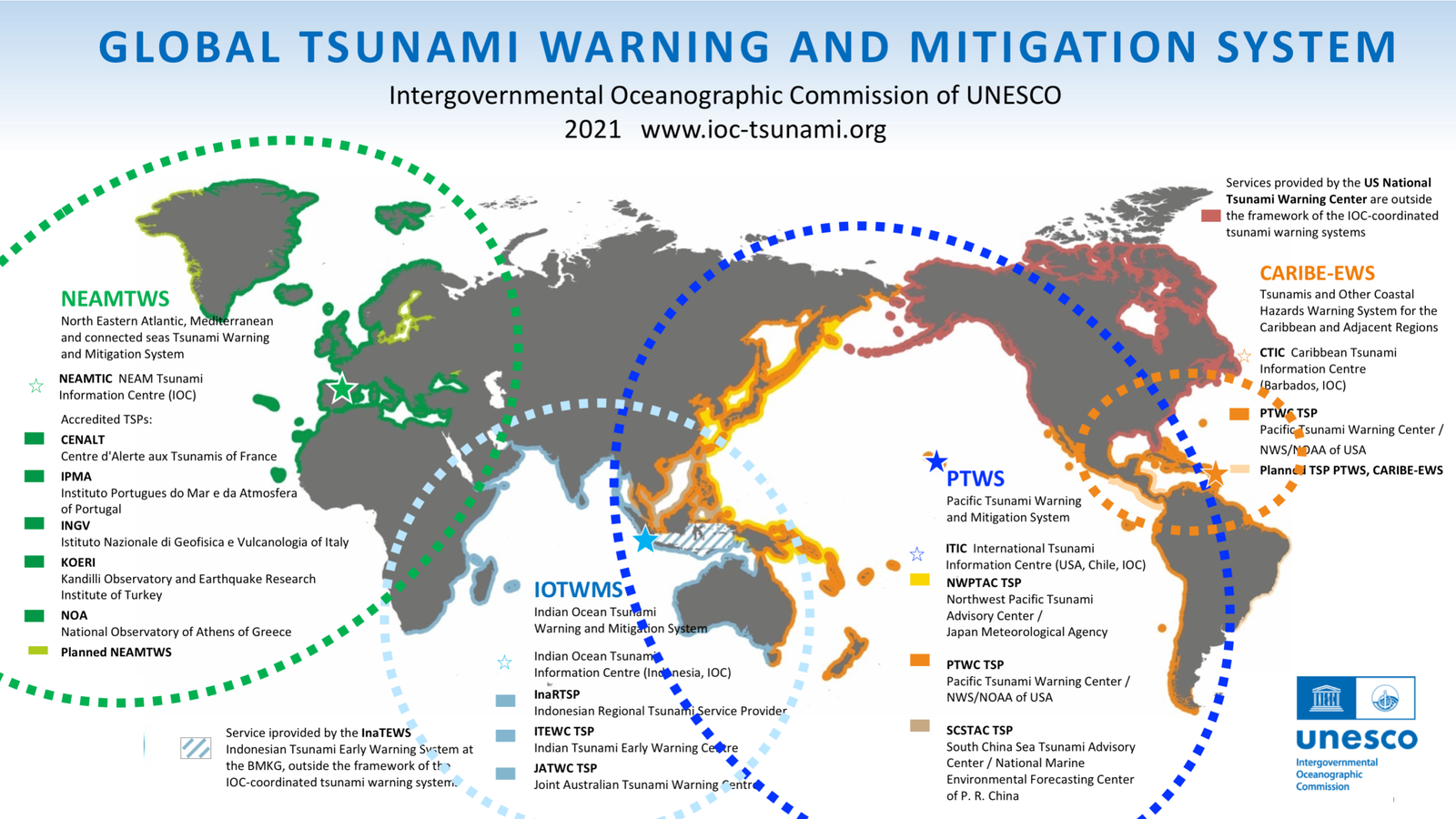
Pacific-Wide Alarm: Continental Alerts
The incident gave out shocks-not only literary but literally-the length and breadth of the Pacific ocean. The Pacific Tsunami Warning Center (PTWC) declared warnings of:
- The U.S. West Coast (California, Oregon, Washington) and Hawaii
- Alaska and Aleutian Islands
- Taiwan, Philippines, Papua New Guinea
- New Zealand, Chile, Ecuador, and Peru
No significant flooding has been reported in these areas but Midway Atoll Hawaii did experience waves of up to 1.8 meters, which has resulted in localised evacuations and live warnings by the FEMA.
The fact that global disaster networks mobilized in this widespread alert was evidence of the extent to which global response systems are now connected. Chile which had experienced a tsunami in 2010 also evacuated non strategically, along its northern shorelines.
Science and Seismic Insight: Understanding the Risk
The Danger of this Earthquake
- Shallow Focus: Shallow earthquakes that are located nearer to the surface (depth < 30 km) shake more volume of ocean, and thus tsunamis occur with higher probability. ● Tectonic Compression: The Pacific Plate has been going in a down dive beneath the Okhotsk Plate and has been building up energy that will all of a sudden release huge energy.
- Slip-Strike Pattern: The quake exhibited signs of slow slip-rupture, as it was described by seismicologists of the University of Tokyo, which signifies a high-potential of causing a tsunami.
Experience: 2011 Tips: Japan is Still Living on the Edge
The vigilance of Japan is associated with the post-traumatic disorders caused by the events of the Tohoku earthquake and tsunami (M9.0) of 2011, when more than 18 thousand people were killed. Since that time, Japan has spent more than 12 billion dollars on sea walls, early warning
systems and the mass drilling of its population. Such infrastructure probably saved an even bigger tragedy today.
False Prophets and Media Sensationalism
On social media, a viral trend was spotted which connected the occurrence to the prophecies of the so-called modern prophets or New Baba Vanga. Along with public fascination with these stories, scientists at the International Seismological Centre in Geneva were determined that there is still no plausible scientific means that will allow earthquakes to be predicted.
Nonetheless, such messages proliferate, shown to increase community fear in the era of digital hyper-exposure and false news.
Global Response and Humanitarian Readiness
Countries such as India and China have put resources on standby and international agencies like the Red Cross and the UNDP and the ASEAN disaster relief forces are waiting on the
standby mode. The Self Defense Forces in Japan have already deployed in the areas affected to carry out logistics and the post-incident assessment of safety. Assessment teams were sent by the Russian Emergencies Ministry (EMERCOM) to the remote islands of Kuril.
No international aid has been sought so far, however, Tokyo, Moscow and Washington are in contact diplomatically in terms of organization of intelligence on tsunami as well as use of satellite surveillance.
Vigilance in an Uncertain World
This tsunami disaster is a stern warning that we might have enhanced technological systems but the earth is unpredictable. Change works in this case, and alertness evades catastrophe due to timely response, well-developed warning systems, and well-informed citizens.
The official record at the time of the newest update is no deaths certified. People have been evacuated further, there are tsunami warnings still on, and oceanographers are awaiting the occurrence of after shocks and tardy wave movement. It is a moving target–and The Vue Times will persist in reporting vetted developments whenever they emerge.